
Vessel Casualties Increase in the Persian Gulf and Sea of Azov
Reporting Period: July 5th – 14th 2026
Commercial shipping experienced a significant increase in hostile activity during the past ten days across two key maritime regions. In the Persian Gulf, a series of attacks damaged several high-value commercial vessels transiting the Strait of Hormuz. In the Sea of Azov, Ukraine intensified its drone campaign against Russian-linked shipping, targeting vessels supporting oil exports and logistics to occupied Crimea.
While the nature of the campaigns differs, both highlight the rapidly changing war-risk environment facing the marine insurance market.
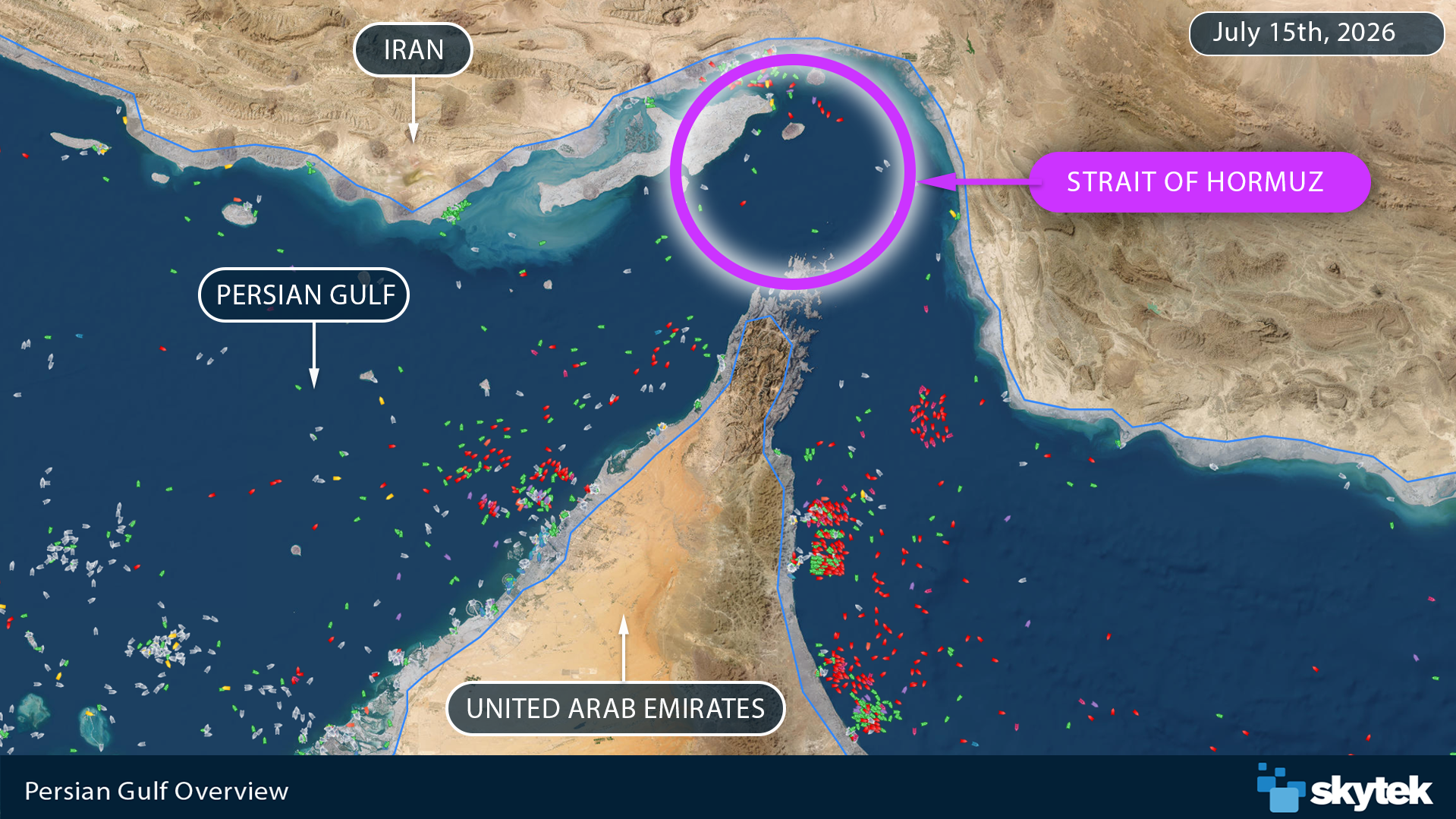
Persian Gulf / Strait of Hormuz
Commercial vessels with an estimated combined hull value of approximately US$522 million were struck or damaged between July 6th and 14th, illustrating the significant aggregation exposure that can develop within a narrow shipping corridor.
Seven vessels were affected, including Al Rekayyat, Cyprus Prosperity, Wedyan, GFS Galaxy, Al Bahayah, Mombasa B and Stolt Magnesium. Reported damage ranged from structural impacts to major engine-room fires, loss of propulsion and crew evacuation.
The most significant incidents included the fire aboard LNG carrier Al Rekayyat, the abandonment of the container ship GFS Galaxy following a severe engine-room fire, and the near-simultaneous strikes on ADNOC Logistics & Services tankers Al Bahayah and Mombasa B.
The concentration of incidents close to the southern shipping lane through the Strait of Hormuz demonstrates how multiple high-value vessels can become exposed to the same developing threat within a short period.
Sea of Azov / Black Sea
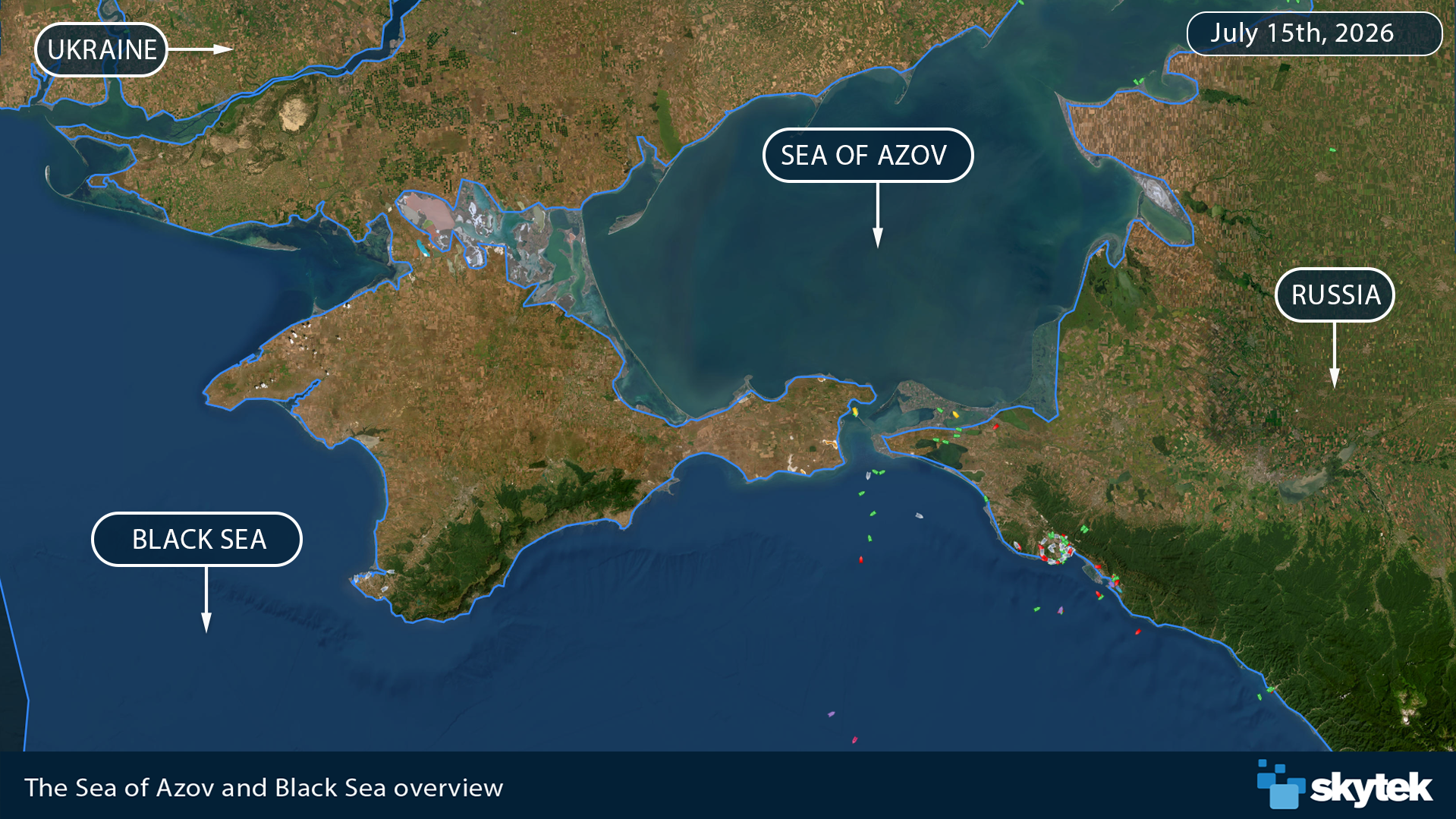
Between July 5th – 14th , Ukraine’s Unmanned Systems Forces reported striking 116 Russian-linked vessels operating in the Sea of Azov.
Reported targets included oil tankers, dry cargo vessels, ferries, tugboats and support vessels used to transport oil and sustain logistics into occupied Crimea. The largest reported operation occurred on July 11th, when Ukrainian authorities claimed attacks against 28 vessels during a single overnight operation.
While independent verification of every reported strike remains limited, the campaign demonstrates Ukraine’s continued focus on disrupting Russia’s maritime logistics and sanctions-evasion fleet.
Although much of the targeted fleet is believed to consist of older or sanctioned vessels with limited conventional insurance exposure, the campaign has wider implications for freight markets, grain exports and regional shipping operations.
Insurance Market Relevance
The two regions illustrate different war-risk exposure profiles.
The Persian Gulf represents a high-value aggregation risk, where a small number of valuable commercial vessels can be exposed simultaneously within a confined waterway.
The Sea of Azov represents a high-frequency disruption risk, with repeated attacks affecting regional shipping, logistics and commodity flows.
Skytek’s Real World platform enables insurers to monitor vessel movements, sanctions exposure, incident activity and portfolio aggregation in near real time, providing enhanced visibility of developing maritime war-risk exposures.


